Leather Seat Cleaning Service: What to Expect from Professional Mobile Detailing
Why Leather Seats Need More Than a Quick Wipe
Leather seats add a level of comfort and style that fabric just cannot match. They feel cooler in summer, warm up slower in winter, and they clean up easier after a spill. But that does not mean they are maintenance-free. Over time, body oils, sweat, and everyday dust build up in the grain of the leather. If you just wipe them with a dry cloth, you push those oils deeper into the material. That is when leather starts to crack and fade. I have seen it happen in cars that are only a few years old, especially here in Chula Vista where the sun is intense and the temperatures climb. A proper leather seat cleaning service is what keeps those seats looking new and feeling supple. It is not the same as a quick vacuum or a spray-on cleaner. It is a process that involves the right products, the right tools, and a little bit of patience.
When I first started working in mobile detailing, I made the mistake of thinking that any leather cleaner would do the job. I learned the hard way that some products strip the natural oils right out of the leather. That leaves it dry and brittle, which is exactly what you are trying to avoid. A professional leather seat cleaning service uses conditioners and cleaners that are pH-balanced for automotive leather. That makes a real difference. The leather in your car is not the same as the leather in a sofa or a pair of boots. It has a protective top coat that needs to be treated gently. So when a detailer shows up with a bottle of saddle soap and a stiff brush, you might want to ask them what they plan to use. Good products like Lexol leather cleaner and Chemical Guys leather cleaner are designed to clean without stripping the finish. They lift dirt out of the pores and leave the surface ready for conditioning.
The Right Tools for the Job
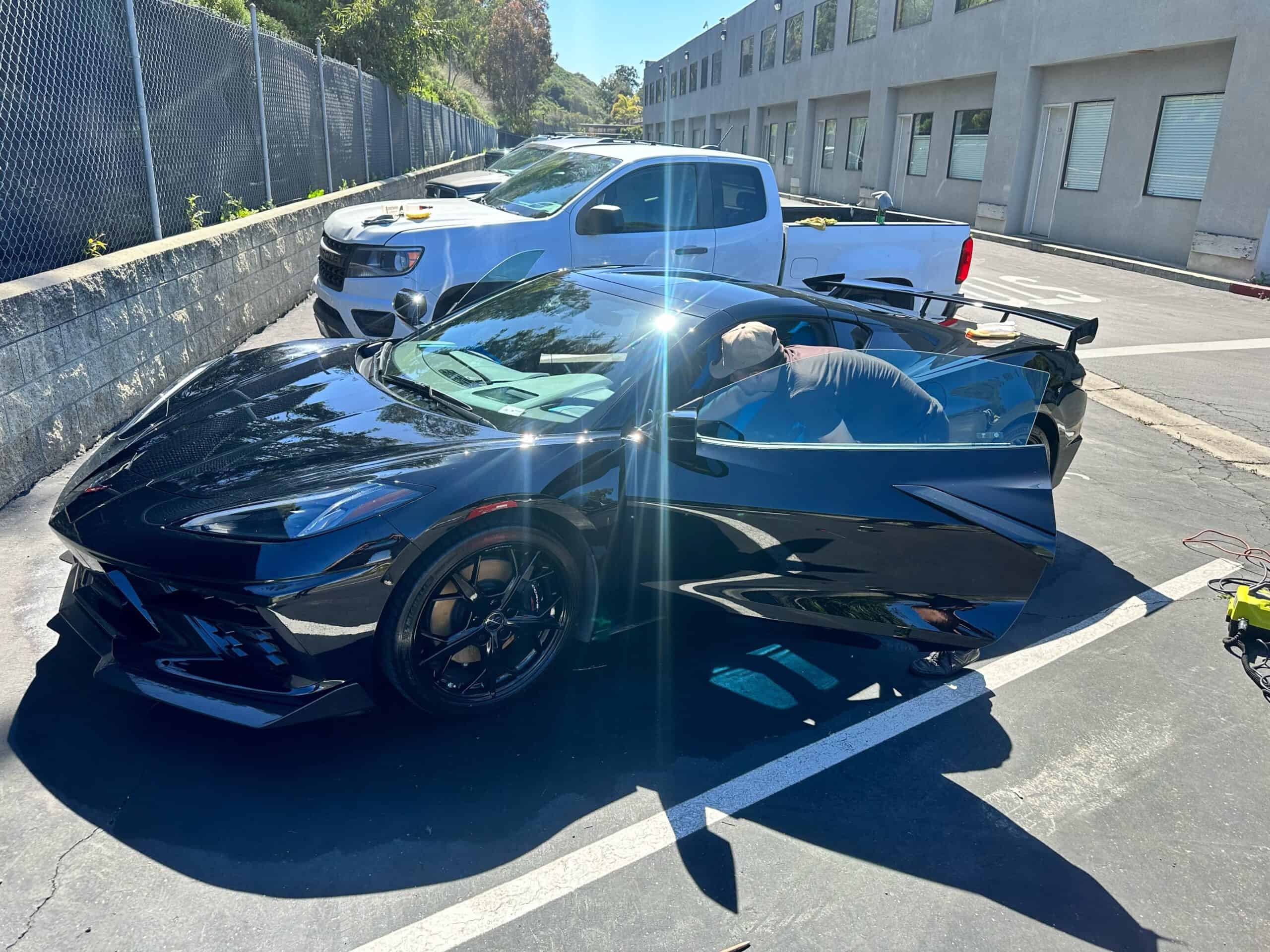
One of the first things I noticed about good mobile detailing is that the pros bring their own water and power. That matters because you do not want them using a harsh hose or an industrial vacuum on your seats. In the South Bay area, where many people have their cars detailed in driveways or parking lots, having a self-contained unit is a big advantage. A mobile detailing setup usually includes a steam cleaning machine, which is excellent for leather. Steam cleaning uses high-temperature vapor to loosen dirt and kill bacteria without soaking the leather. It is gentle enough for the top coat but strong enough to get into the creases where crumbs and grime hide. After the steam, the detailer will wipe the surface with a microfiber cloth to pick up everything that was loosened. That two-step approach is far more effective than spraying a cleaner and wiping it off.
I have also seen detailers use Weiman leather wipes for quick touch-ups between deep cleans. Those wipes are convenient, but they are not a substitute for a full cleaning and conditioning cycle. The wipes are good for removing surface dust and light stains, but they do not replace the oils that get lost over time. That is where leather conditioner comes in. A good conditioner, like Bickmore leather conditioner or Meguiar's leather care, restores the flexibility of the leather and helps prevent cracking. When you apply conditioner, you are not just making the seat look shiny. You are feeding the fibers so they stay strong. I always tell my clients that conditioning is the step most people skip, and it is the one that makes the biggest difference in longevity.
How Often Should You Have Leather Seats Cleaned?
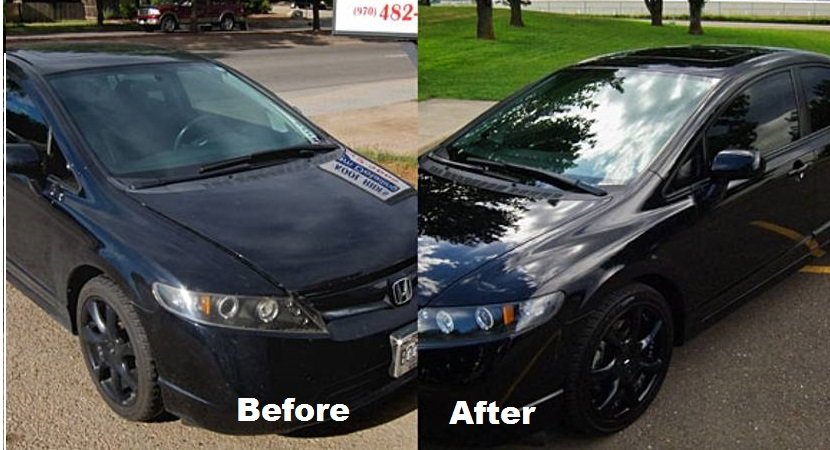
There is no one-size-fits-all answer, but a good rule of thumb is every six to twelve months for a full cleaning and conditioning. If you eat in your car, have kids, or drive with pets, you might need it more often. I have worked on cars in Chula Vista that had never been cleaned, and the leather was so dry it felt like cardboard. A single session with a quality leather seat cleaning service brought it back to life. The difference was dramatic. The seats went from looking faded and cracked to rich and smooth. That kind of turnaround is possible because the cleaning removes the layer of oxidized dirt that makes leather look dull. Then the conditioner soaks in and restores the color.
For daily maintenance between professional cleanings, a few simple habits help. Keep a microfiber cloth in the car and wipe down the seats every week or two. That prevents the buildup of body oils. If you spill something, blot it up immediately with a clean cloth. Do not rub it. Rubbing spreads the stain and pushes it deeper. For sticky spills, a tiny amount of white vinegar mixed with water on a soft cloth works well. Just test it on a hidden area first. White vinegar is acidic enough to break down residue but mild enough to not damage the leather if used sparingly. After cleaning with vinegar, wipe the area with a damp cloth and then apply a light coat of leather conditioner.
What About UV Protection?
Sunlight is one of the biggest enemies of leather. The UV rays break down the fibers and cause fading. In a place like the South Bay, where the sun is strong most of the year, that is a real concern. Some leather conditioners include UV protection, but not all of them do. If you park your car outside regularly, ask your detailer about adding a UV-blocking treatment. Some mobile detailing services offer a protectant that goes on after the conditioner and acts like sunscreen for your seats. It will not stop fading completely, but it slows it down significantly. I have seen cars that were parked under a carport every day and cars that were left in the open. The difference after a few years is night and day. The ones that had regular conditioning and UV protection still looked new. The others looked tired and worn.
When Cleaning Is Not Enough: Paint Correction and Ceramic Coating
While we are talking about keeping your car looking good, it is worth mentioning that leather seat cleaning is just one part of a complete interior detailing. The exterior matters too. A full-service mobile detailing company often offers paint correction, which removes swirl marks and light scratches from the clear coat. That is a separate process from cleaning the seats, but it fits into the same philosophy: you want the whole car to look its best. After paint correction, many detailers apply a ceramic coating. That creates a hard, hydrophobic layer that protects the paint from dirt and UV rays. It lasts for years and makes washing the car easier. If you are already having your leather seats cleaned, it is a good time to ask about ceramic coating for the exterior. You save money by bundling services, and the results are complementary.
Choosing a Mobile Detailing Service
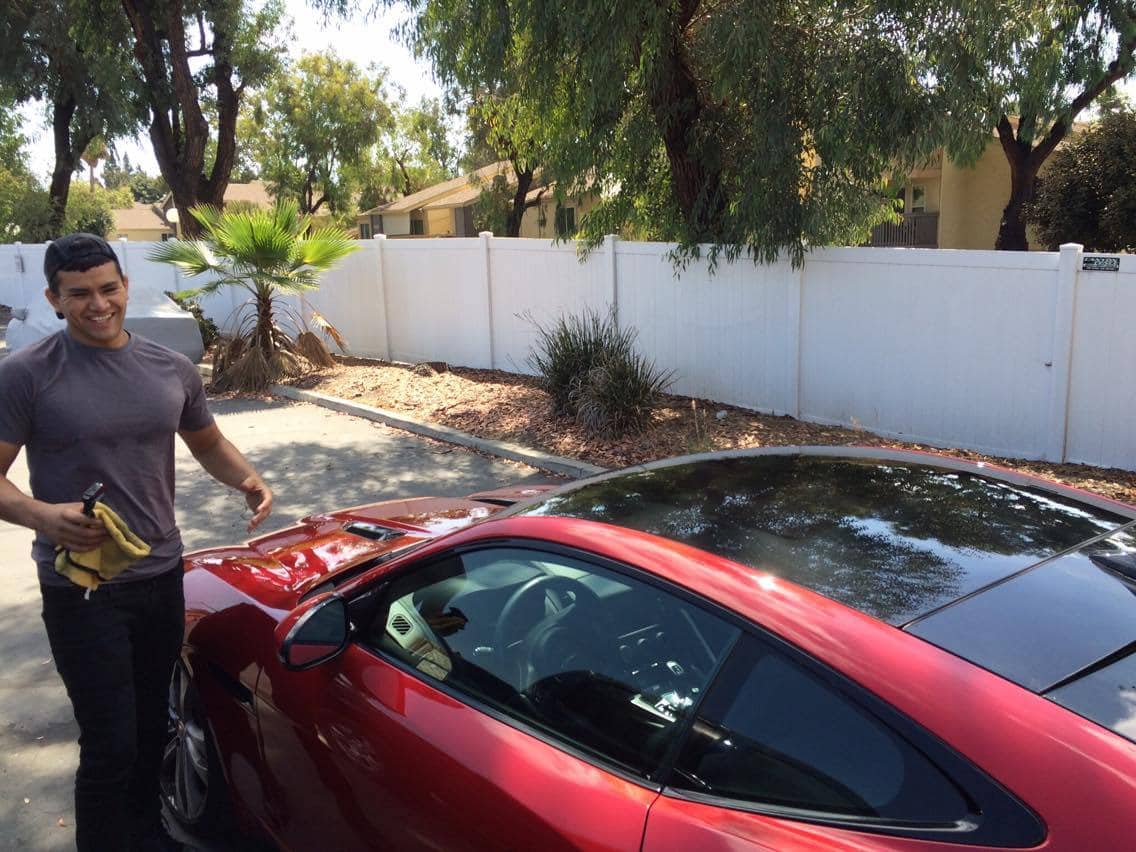
Not all mobile detailing companies are the same. Some focus on speed and use one product for everything. Others take the time to assess the condition of your leather and choose the right approach. I look for a service that uses a combination of steam cleaning, gentle cleaners like Lexol or Chemical Guys, and conditioners like Bickmore or Meguiar's. I also want to know that they have experience with different types of leather. For example, some cars have leather that is coated, and some have leather that is more porous. Coated leather can handle more aggressive cleaning, while porous leather needs a lighter touch. A good detailer will know the difference and adjust their process accordingly.
Another factor is whether the business is local and understands the climate. A Veteran-owned business in Chula Vista or the South Bay knows that the heat and sun here are rough on interiors. They will recommend a schedule that reflects that. They might also offer a package that includes exterior cleaning, interior detailing, and leather conditioning at a bundled price. That kind of service is convenient and ensures that all parts of your car are maintained together.
Common Mistakes People Make With Leather Seats
I have seen people ruin their leather seats with good intentions. Here are a few mistakes to avoid:
- Using household cleaners like bleach, ammonia, or all-purpose sprays. These strip the top coat and dry out the leather.
- Applying too much conditioner. Leather can only absorb so much. Excess conditioner sits on the surface and attracts dust.
- Using paper towels or rough cloths. They scratch the surface. Always use a soft microfiber cloth.
- Skipping the cleaning step before conditioning. Conditioner seals in whatever dirt is on the leather. You have to clean first.
- Ignoring the seams and stitching. Dirt collects there and can cause the thread to break. A professional leather seat cleaning service will pay attention to those areas.
Avoiding those mistakes goes a long way. But even with the best habits, leather needs professional care every now and then. That is where a mobile detailing service becomes valuable. They bring the equipment and products that most people do not have at home. They also have the experience to handle tough stains and neglected seats. I have seen a set of seats that were covered in pet hair and dried mud come back looking like new after a single session. It takes work, but the results are worth it.
Final Thoughts on Keeping Leather Seats in Top Shape
Leather seats are an investment. They add value to your car and make every drive more comfortable. Keeping them in good shape does not require a lot of effort, but it does require the right approach. Regular wiping, prompt spill cleanup, and a professional cleaning once or twice a year will keep the leather soft and the color rich. If you live in an area with strong sun, add a UV protectant to your routine. And if you notice the leather starting to look dry or feel stiff, do not wait. Schedule a leather seat cleaning service before the damage becomes permanent. The cost of a cleaning is small compared to the cost of replacing a seat cover or dealing with cracked leather that cannot be repaired.
Whether you do it yourself or hire a mobile detailer, the key is consistency. Use quality products like Lexol, Bickmore, or Meguiar's. Avoid shortcuts. And remember that leather is a natural material. It responds to care. Treat it well, and it will last for the life of the car.